

South Salt Lake Property Management
South Salt Lake is a majority-renter city. Of its 10,940 occupied households, 61.8% rent, the highest renter share among the cities we serve, and 1,889 of its units sit in buildings of 50 or more. Central Pointe Station, inside the city, is the southernmost stop where all three TRAX lines meet. Before a unit can be leased here, the city requires a business license and a pre-leasing inspection. RPM Salt Lake City manages South Salt Lake houses, duplexes, and small buildings with that sequence built into the process.
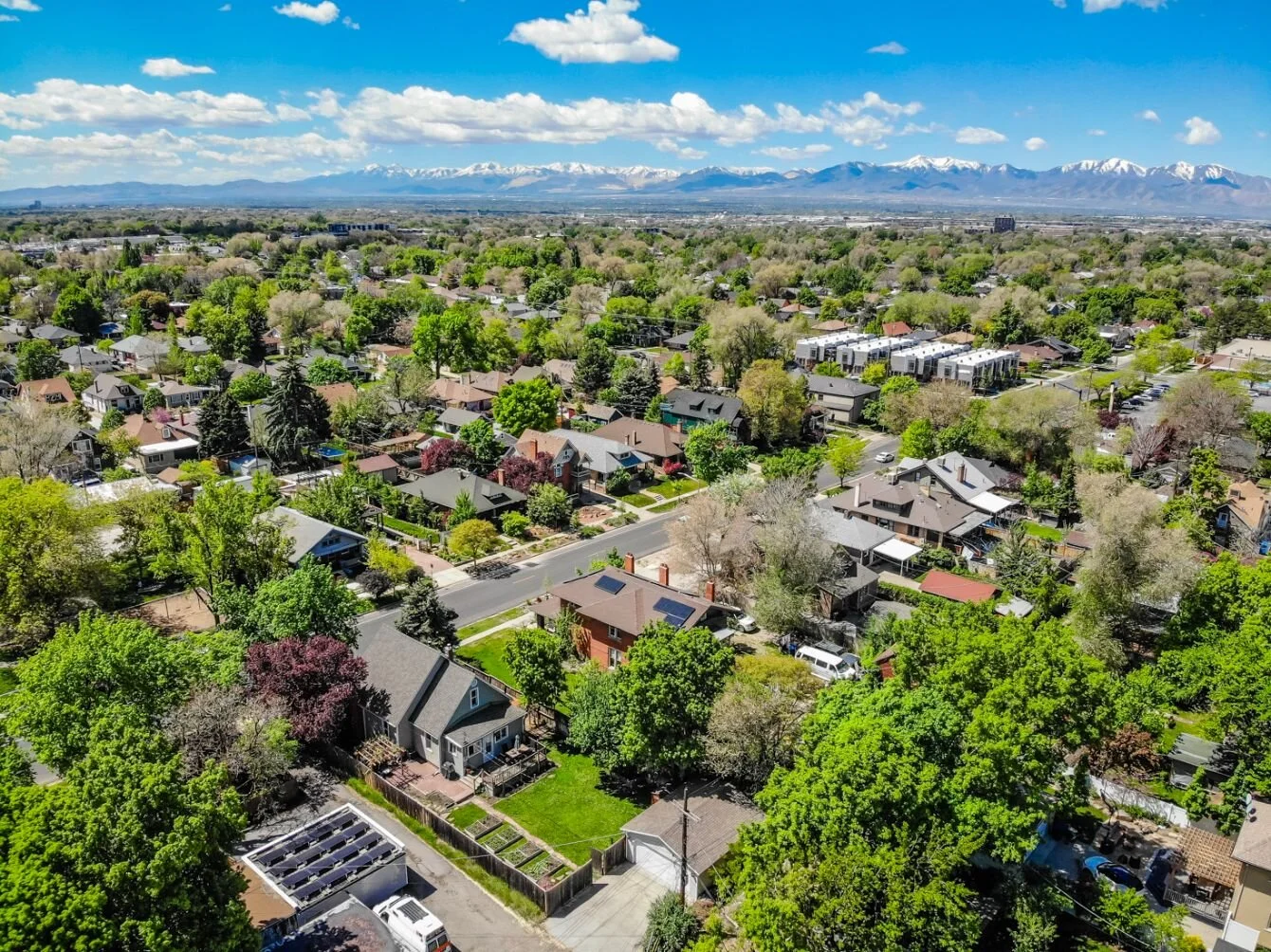
61.8% of households rent. 7.9% vacancy. Central Pointe carries all three TRAX lines. Licensing and inspection come before leasing begins.
South Salt Lake Property Management in a Majority-Renter City
Most cities in the Salt Lake Valley are owner-occupied places with rentals in them. South Salt Lake is the reverse. With 6,758 renter-occupied homes against 4,182 owner-occupied, renting is the default tenure, and the housing reflects it: 41.8% single-family, with the balance spread across duplexes, small buildings, and 1,889 units in structures of 50 or more. The median build year is 1986, matching the county, and vacancy runs 7.9% against 5.2% countywide. Those three facts together mean a South Salt Lake rental competes against real alternatives, on condition, at all times.
South Salt Lake at a Glance
- Population: 26,934 (Vintage 2025); the 2010 Census counted 23,617
- Renter-occupied homes: 6,758 of 11,876 total units (ACS 2020 to 2024)
- Renter share: 61.8%, the highest among the cities we serve
- Vacant units: 936, a 7.9% vacancy rate against 5.2% countywide
- Median year structure built: 1986, the same as the county median
- Housing mix: 41.8% single-family; 1,889 units in buildings of 50 or more
- Median household income: $72,152 (ACS 2020 to 2024)
- Median gross rent: $1,451 (ACS 2020 to 2024, occupied units)
- Household size: 2.30 persons
- Language and origin: 22.4% foreign-born; 31.0% of residents age 5 and over speak a language other than English at home
- Mean travel time to work: 20.3 minutes
- Central Pointe Station on 2100 South: TRAX Blue, Red, and Green lines, and the western end of the S-Line streetcar
- Millcreek Station on 3300 South: TRAX Blue and Red lines
- Land area: 6.94 square miles, unchanged since 2010, at 3,857 residents per square mile
- Commercial base: more than 3,200 businesses; $1.59 billion in 2022 retail sales, or $61,058 per resident
- Schools: Granite School District
- Licensing: a business license is required before leasing begins, and an inspection is required first
- ZIP codes: 84115, 84119, and 84106, all shared with adjacent jurisdictions
Where All Three TRAX Lines Meet
Central Pointe Station on 2100 South is the southernmost stop served by the TRAX Blue, Red, and Green lines. South of it the Blue and Red lines continue toward Millcreek and the Green Line turns west for West Valley City. It is also the western end of the S-Line streetcar, which runs east through the city. Millcreek Station on 3300 South adds Blue and Red service. For a renter without a car, that combination is genuinely hard to replace, and it belongs in the listing when the property is actually within reach of it.
A 61.8% Renter Share
Renting is the normal tenure here, not the exception. That produces a deep, continuously active renter pool and, at 7.9% vacancy, a market where a prospect usually has another option to tour this week. Management quality compounds in a city like this: condition, responsiveness, and how quickly a unit turns are competitive variables rather than background details.
Downtown South Salt Lake
The Downtown South Salt Lake initiative launched in 2010 in what had been a one-story warehouse district. Resident population there has gone from roughly five people to nearly 2,000, with about 2,000 more units in permitting and more than $1 billion in investment across housing, office, and retail. The Commonwealth, Granite Mill, and the 180-unit One Burton project sit in that corridor.
A Commercial Base Larger Than the City
South Salt Lake books $1.59 billion in annual retail sales across more than 3,200 businesses, which works out to $61,058 per resident on a population of 26,934. Daytime population and job count materially exceed the residential count. The Creative Industries Zone, with eight breweries and distilleries, anchors an employment base that supports the 20.3-minute mean commute.
Licensing and Inspection Before Leasing in South Salt Lake
South Salt Lake sequences its rental requirements differently from its neighbors, and the order matters. The city’s own FAQ states it plainly: all residential rentals require a business license before leasing begins.
- A business license is required for every residential rental, and the city’s guidance places it before the leasing process starts rather than alongside it.
- An inspection is required before leasing can begin. This is a materially more demanding sequence than most neighboring cities apply, and it needs to be scheduled into the turnover timeline rather than discovered during it.
- A Good Landlord Program exists with a published application through the city. Incentive amounts, training requirements, and fee levels should be confirmed directly with South Salt Lake, as the published detail is limited.
- The practical consequence is calendar risk. An owner who lists before the license and inspection are cleared is advertising a unit that cannot legally be occupied on the date promised, which is a harder problem than a slow week of showings.
We build the license and inspection steps into the turnover sequence so the advertised availability date is one the property can actually meet. Requirements change, so confirm current rules with South Salt Lake City. Our role is to keep the property’s records and recurring obligations organized. We do not provide legal advice.
Sequencing License, Inspection, and Listing
The availability date has to account for a required inspection and a license that precedes leasing. We schedule those first and market to a date the property can meet, rather than promising one the process cannot support.
Small-Building and Multifamily Operations
With 1,889 units in buildings of 50 or more and a large share in duplexes and small buildings, shared systems and common areas are routine here. We keep building-level repairs legible while individual leases, balances, and deposits stay separate.
Transit-Positioned Listings
Central Pointe and Millcreek are real leasing assets for the properties genuinely near them. We verify the actual route from the property to the platform and describe it accurately, rather than calling every address in the city transit-served.
Documentation in a High-Turnover Market
At 7.9% vacancy with a majority-renter base, move-in and move-out condition records do heavy work. On 1986-median stock, the line between normal wear and actual damage is exactly where those records earn their keep.
When 61.8% of Your Neighbors Are Renters, Your Property Is Never the Only Option on the Tour
In a city where most households own, a rental competes mostly against itself. A prospect who wants that neighborhood has few alternatives, and an average listing still leases. South Salt Lake does not work that way. With 6,758 renter-occupied homes and a 7.9% vacancy rate, someone touring your unit on a Saturday has almost certainly seen two others and will see another on Sunday.
That changes which management decisions matter. Condition is a competitive variable, not housekeeping. Response time on a maintenance request is something the resident compares against what a friend in the next building gets. And the required license and pre-leasing inspection mean the turnover clock starts earlier than owners expect, because a unit that is physically ready but not yet cleared cannot be occupied.
The upside is that the same depth cuts the other way. A well-run building in a majority-renter city has a continuously replenishing pool of prospects and does not depend on catching a narrow seasonal window.
Licensing before listing, shared systems across units, and transit access described honestly.
Turnover on a Clock That Starts Before the Listing
Most turnover planning starts at move-out. In South Salt Lake it starts earlier, because a business license is required before leasing begins and an inspection has to clear first. An owner working backward from a target availability date needs those steps in the sequence alongside cleaning, repairs, and photography.
We treat the inspection as a scheduling dependency rather than a formality. Known repairs are addressed before it, not after, and the advertised date reflects what the process can actually deliver. On stock with a 1986 median build year, that pre-inspection scope review is also where deferred items surface, which is a better moment to find them than during a showing.
Operating Duplexes and Small Buildings
South Salt Lake’s stock runs well past single-family. Duplexes, three and four unit properties, and mid-size buildings all appear regularly, and 1,889 units sit in structures of 50 or more. Those properties share roofs, sewer laterals, parking, and often heating infrastructure, which means one repair can touch several tenancies and one resident’s report can be the first sign of a building-level problem.
We keep the two views separate and both usable. A shared-system repair is recorded at the building so its history stays readable over time, while each unit’s lease, ledger, deposit, and condition record stays distinct. For an owner holding several units in one address, that is the difference between a property they can evaluate and a pile of invoices.
Describing Transit Access Accurately
Central Pointe is a genuine advantage for the properties near it. All three TRAX lines stop there, the S-Line streetcar ends there, and a resident without a car can reach downtown, the university, the airport, and West Valley from one platform. Millcreek adds Blue and Red service further south.
The failure mode is claiming it for properties that do not have it. A listing that calls a property walkable to TRAX when the real route is a 20-minute walk across an arterial produces showings that end quickly and residents who feel misled. We verify the route from the specific address and describe what is actually there, which is more persuasive to the renters who care about transit and less costly with the ones who don’t.
In a majority-renter city, a unit that is ready but not yet licensed is still a vacancy. Clear the sequence first, then compete on condition.
What Salt Lake Valley Owners Say About RPM Salt Lake City
In a market where a prospect has other units to tour, owners notice two things first: how fast a vacancy fills and how clearly they are kept informed.
“Far and away the best property management company in the Salt Lake area, especially in regards to their communication and satisfaction of their customers. Highly recommended!”
Jason K., Salt Lake County property owner
“We have been so pleased with Real Property Management Salt Lake. We have had great communication and very short vacancy time between tenants.”
Britnee Y., Salt Lake County property owner
What Drives Rental Performance in South Salt Lake
South Salt Lake rewards owners who respect the licensing sequence and treat condition as a competitive position rather than a maintenance line.
- Schedule the required business license and pre-leasing inspection first, then set an availability date the process can actually meet
- Price against the units a prospect can tour this week, because a 7.9% vacancy rate means there is almost always another option
- Keep building-level and unit-level records separate on duplexes and small buildings, so a shared repair does not obscure an individual tenancy
- Claim Central Pointe or Millcreek access only for properties that genuinely have it, and describe the actual route from the address
- Document move-in and move-out condition carefully on 1986-median stock, where normal wear and actual damage are easy to confuse
What Management Covers for a South Salt Lake Rental
Owners get full access to financial reporting, maintenance records, documentation, and communication history throughout.
Leasing and Placement
Clearing the city’s requirements and filling the unit against real competition.
- Condition review and repair scope ahead of the required inspection
- Business license and inspection scheduled into the turnover timeline
- Pricing against currently available units in the same part of the city
- Listing preparation with verified transit and parking detail
- Showing coordination and consistent applicant screening
- Lease preparation, deposits, and documented move-in condition
Ongoing Management
Running the property through the tenancy, including shared systems on multi-unit buildings.
- Rent collection on a set schedule with owner distributions
- Maintenance intake with building-level and unit-level history kept distinct
- Shared-system repair coordination across affected tenancies
- Scheduled inspections with condition reporting
- License renewal and recurring city obligations tracked on a calendar
- Renewal discussions, move-out coordination, and turnover planning
South Salt Lake in Context: The Valley’s Transit Crossroads
South Salt Lake occupies 6.94 square miles between Salt Lake City and Millcreek, with State Street and Main Street running its length and the S-Line streetcar crossing east to west. Its ZIP codes, 84115, 84119, and 84106, are all shared with adjacent jurisdictions, so we confirm service coverage by address rather than by ZIP.
We publish local guides for nearby markets:
Midvale property management, further south on the Blue Line, with 8,748 renter-occupied homes.
West Jordan property management, west across the valley floor.
Frequently Asked Questions About South Salt Lake Property Management
South Salt Lake’s published guidance states that all residential rentals require a business license before leasing begins, and that an inspection is required first. That sequence is more demanding than several neighboring cities apply, and it needs to be built into the turnover timeline rather than handled after a unit is listed. Confirm current requirements directly with South Salt Lake City.
The Zillow Observed Rent Index for South Salt Lake read $1,568 in July 2026 and has been effectively flat over the prior twelve months. That is a citywide index across all rental types. The American Community Survey’s 2020 to 2024 median gross rent for occupied units in the city is $1,451, a different measure covering existing leases rather than asking rents. Neither figure prices a specific property. A single-family home with a yard and a studio in a 50-unit building need different comparisons.
Yes. Duplexes and small buildings are common in South Salt Lake, where 41.8% of the housing stock is single-family and 1,889 units sit in structures of 50 or more. Tell us the address, how many units it has, and which are occupied. We keep shared-system repairs recorded at the building level while each unit’s lease, ledger, deposit, and condition record stays separate.
For properties genuinely near a station, yes. Central Pointe on 2100 South is the southernmost stop served by all three TRAX lines, Blue, Red, and Green, and it is the western end of the S-Line streetcar. Millcreek on 3300 South carries Blue and Red. We verify the walking route from the specific property before describing it, because an overstated transit claim tends to end showings rather than start tenancies.
Both. A 61.8% renter share means the pool of prospective residents is deep and continuously active, so you are not waiting on a narrow seasonal window. The 7.9% vacancy rate means those prospects usually have other options to tour. Condition, accurate pricing, and turnaround speed carry more weight here than in a market where rentals are scarce.
Sources: U.S. Census Bureau QuickFacts (Vintage 2025 population estimates) and American Community Survey 2020 to 2024 five-year estimates; Zillow Observed Rent Index, July 2026 reading; and Utah Transit Authority route schedules. ACS housing, tenure, income, and rent figures are five-year estimates, not current-year readings. Citywide figures describe a market, not the rent a particular property will achieve.
See Where Your South Salt Lake Rental Stands
Send the address, the unit count, and the next lease or vacancy date. We will review the property against current competition, confirm the licensing and inspection steps, and outline the turnover sequence. No obligation.
